System Sizing
Capacity planning for kWh, kW, usable reserve, backup loads, and expected cycle behavior.

Support Services
Lg Energy Solution supports battery energy storage programs with a practical service model for developers, EPCs, distributors, and asset owners. The work begins before product selection: our engineers help define operating use case, usable capacity, target depth of discharge, local grid code expectations, container or cabinet environment, and the monitoring data that financiers will expect after commissioning. That early clarification reduces late design changes and keeps procurement conversations tied to measurable operating assumptions.
For residential and C&I programs, the service path covers battery sizing, hybrid inverter compatibility, backup loads, warranty interpretation, remote alarm routing, and documentation packs for installers. For utility projects, the process expands to site-level architecture, thermal management boundaries, fire safety documentation, EMS integration, FAT planning, spares strategy, and lifecycle replacement scenarios. We do not promise unrealistic uptime or fixed payback periods; instead, we help teams build defensible assumptions based on duty cycle, local tariffs, incentive eligibility, and grid services revenue.
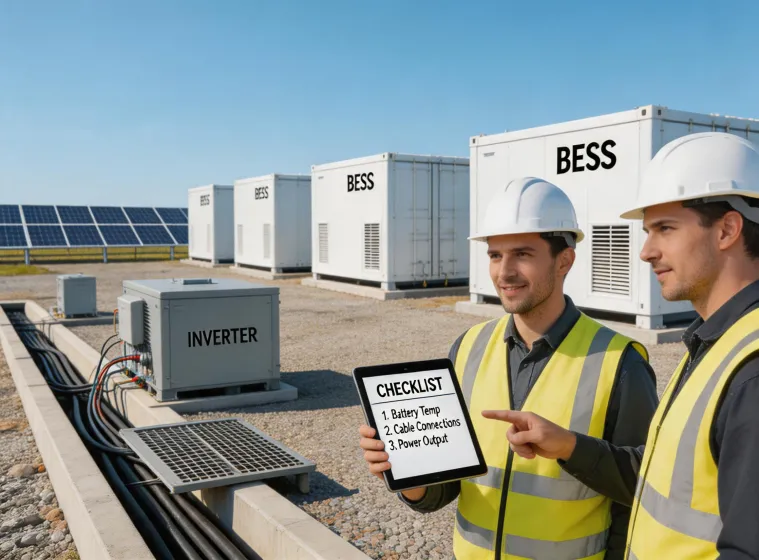
Capacity planning for kWh, kW, usable reserve, backup loads, and expected cycle behavior.
Support for UL 9540A, IEC 62619, UN 38.3, installation documentation, and transport files.
Checklist guidance for BMS communication, inverter pairing, SOC calibration, alarms, and acceptance testing.
Remote diagnostics, warranty triage, firmware coordination, and spare module planning for operating assets.
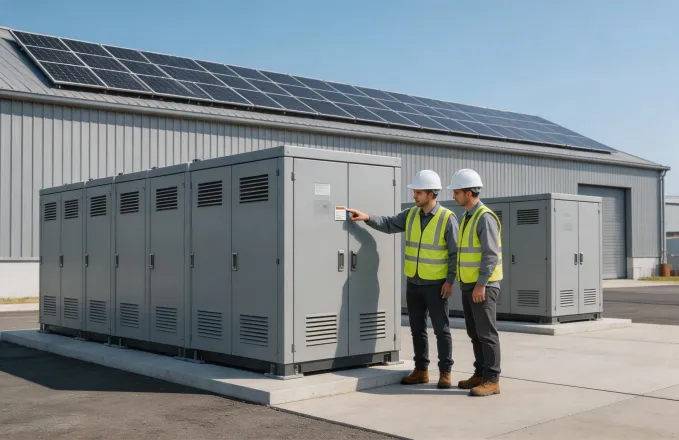
A regional installer needed a repeatable package for warehouse peak shaving. The service team mapped the load profile, separated nominal capacity from usable capacity, reviewed round-trip efficiency assumptions, and built a commissioning checklist for alarm thresholds and remote access. The result was a clearer scope for each site rather than a one-size battery quotation.
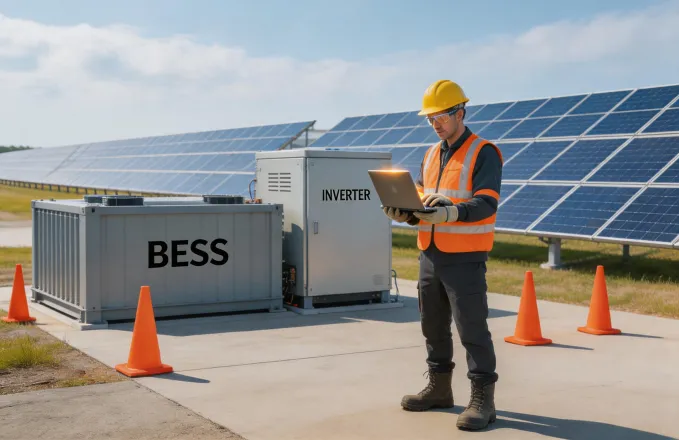
For a solar-plus-storage developer, the team organized equipment data around PCS compatibility, site temperature limits, fire response references, and monitoring handoff. That package gave the owner, EPC, and insurer a shared view of operating boundaries before final procurement.
Include project location, AC power target, energy capacity target, use case, and expected commissioning date.